Few topics in property management stir as much emotion as wildlife showing up where it does not belong. A raccoon in the attic, squirrels chewing through soffit, a skunk tucked beneath the stoop, or bats clustered behind shutters can trigger anxiety and knee-jerk reactions that often make problems worse. After twenty years of fieldwork, I have learned that nuisance wildlife management is mostly about patience and design. The goal is not to win a battle against animals, it is to make your property a place where they no longer need to be. That mindset aligns with ecology, reduces risk, and often costs less over time.
This article lays out practical, environmentally responsible approaches to wildlife pest control, with real examples, trade-offs, and the mistakes that keep professionals busy. The methods apply whether you are a homeowner, facilities manager, or a contractor offering wildlife removal services. The right mix of habitat changes, structural repairs, and careful timing can resolve conflict without poisoning ecosystems or causing unnecessary harm to animals.
What “eco-friendly” really means in wildlife control
The term gets tossed around loosely. In practice, eco-friendly nuisance wildlife management means choosing strategies that minimize harm to animals and non-target species, avoid persistent toxins, protect water and soil, and prevent new problems through better design. It favors wildlife exclusion services and behavioral tools over lethal tactics. It treats animals as part of the local system, not disposable intruders.
Three principles anchor this approach. First, prevention beats removal. Second, precision beats force. Third, transparency beats shortcuts, meaning you document the species, the attractant, and the points of entry before you act. No bait tossed in the corner, no one-size-fits-all trap set. You respect the biology of the target species and the legal and ethical boundaries that apply in your region.
Start with diagnosis, not devices
When a call comes in for pest wildlife removal, the first site visit sets the trajectory. I spend more time inspecting than most clients expect. On a single-family home, a thorough inspection can take 45 to 90 minutes. On commercial roofs or warehouses, plan for hours. The aim is to answer three questions: which species, why this site, and how did it get in.
Species identification is not guesswork. You can differentiate squirrels from rats by chew marks and track patterns, raccoons by latrines and hand-like prints, and bats by guano shape and rub marks near gaps. Audio matters too. Squirrels are busy by daylight with scampering and gnawing, while raccoons thump and chitter more at night. Bats emit faint squeaks and fluttering, often just before dusk. A flashlight, mirror, and a modest endoscope help see inside voids. For attics, I bring a thermal camera when possible to confirm active nests without tearing up insulation.
Attractants tell the story. Open compost, bird feeders launching a daily buffet, unsecured pet food, overflowing dumpsters, and fallen fruit from backyard trees often drive chronic problems. I once traced a skunk under a porch to a neighbor’s habit of dumping bacon grease along the fence line. That fix took a conversation and a lidded container, not a trap.
Entry points are the leverage. On stick-framed homes, repeat vulnerabilities include soffit returns, roof-wall junctures, chimney crowns, gable vents, and gaps along fascia where drip-edge is missing. On slab homes, it is common to find rodents tracking along siding until they reach a line penetration like a conduit or hose bib. Gaps wider than a pencil invite mice. Squirrels need a hole the size of a golf ball, raccoons can pry open weak spots the width of a fist. Bats love gaps a half-inch tall that run continously along ridge vents or under flashing. A camera lens cap is a cheap sizing tool for quick reference.
The hierarchy of action: habitat, exclusion, then removal
The most sustainable wildlife control plans follow a sequence that reduces harm and improves long-term outcomes. You limit food and shelter incentives, then seal buildings with durable materials, and only then remove animals as needed. Skipping steps, especially exclusion, guarantees repeat visits.
Habitat modification shifts the property from attractive to uninteresting. Trim branches back from the roof by 8 to 10 feet if species are arboreal. Store firewood off the ground and away from structures. Use wildlife-resistant lids on trash and recycling. Clean grease catch pans on grills. For water sources, fix pooling around foundations and maintain birdbaths with frequent changes. If you feed birds, commit to diligent cleanup, or move feeders at least 20 feet from the house and consider baffles to reduce spillage. Many clients balk at changing a beloved habit like feeding birds, but I have seen a 60 percent drop in squirrel entry attempts after feeder adjustments alone.
Exclusion is the heart of eco-friendly wildlife control. It means repairing and hardening the building envelope so animals cannot enter. The details matter. For rodents, stainless steel mesh (often marketed as 304 or 316 grade) or copper mesh backed by high-quality urethane sealant seals line penetrations while resisting gnawing and corrosion. For larger openings, 16 to 18 gauge galvanized hardware cloth with quarter-inch openings is a standard for screening vents and voids. I prefer powder-coated guards for aesthetics on visible gables. On roofs, install continuous metal drip-edge under shingles at eaves and seal the gap between fascia and decking. For chimneys, a stainless cap with a spark arrestor grid solves both wildlife and ember concerns. If your soffit has decorative returns, use factory-fit closures or fabricate 26 to 28 gauge sheet metal inserts. For decks and sheds, skirt the perimeter with hardware cloth that runs at least 12 inches below grade in an L-shaped trench to prevent digging. If you have bats, the timeline shifts, because you cannot seal a live bat colony inside without hazards.
Removal comes last, and rarely requires lethal force if you plan well. But timing is everything. From spring into midsummer, many species have dependent young. Close a hole without checking, and you risk trapping babies inside. I have retrieved litters of raccoons from wall cavities after someone sealed the mother out, and those scenes are not pretty. A conscientious wildlife trapper or technician will adjust the schedule to avoid orphaning animals whenever the law and the situation allow.
On repellents, noise, and gadgets
Modern pest control markets are full of ultrasonic devices, essential oil mixes, ammonia-soaked rags, and light strings promising to banish critters. Most work briefly, if at all, because wildlife habituates quickly. A mother raccoon will ignore strobe lights if her kits are warm and safe in your insulation. Peppermint oil sometimes deters mice on a shelf for a few days, then they walk over it.
There are exceptions. Capsaicin-based gels and taste repellents can help protect specific plantings, especially if you rotate products and reapply after rain. For geese on lawns, trained dogs and planned harassment can move flocks, though this is more of a landscape management program than a device fix. For bats, bright lights disrupt roosting sites in open spaces, but they do not solve an attic colony. Use repellents as supporting actors, not the core solution.
Bats and ethical exclusion
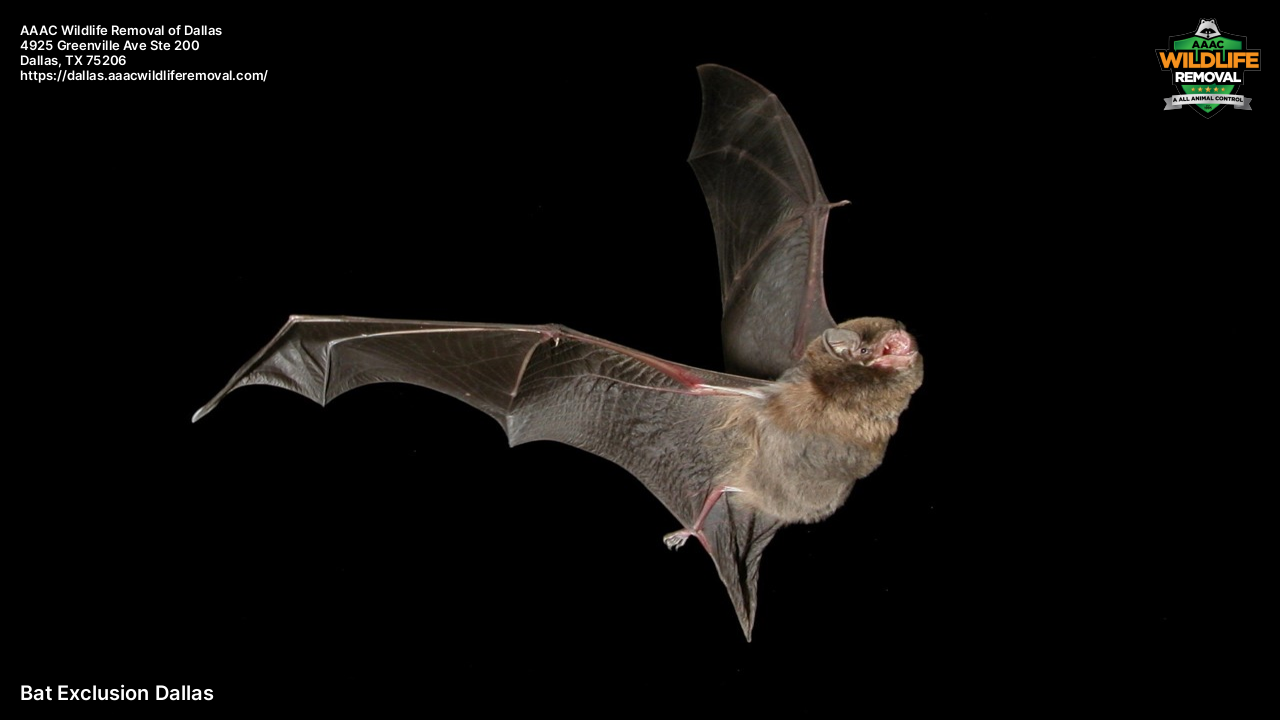
Bats deserve a special section because they are protected in many jurisdictions and they provide outsized ecological benefits. A single bat can consume thousands of insects per night. If you have bats inside a structure, resist the urge to close every gap. The correct method is a timed exclusion using one-way devices that allow bats to exit for feeding but block reentry. I schedule bat work around maternity season, which in much of North America runs roughly May through August, although exact timing varies with latitude and species. Exclusions outside that window reduce the risk of sealing pups inside.
The sequence is straightforward. You identify all active and potential gaps along ridges, gables, and flashing. You pre-seal secondary openings so the bats cannot shift to a new hole once they exit. You install bat valves or tubes at primary exits for a week or two of clear weather. On the final day, you remove devices and complete the seal. If a client wants the bats to remain on the property for mosquito control, you can add a properly placed bat house at least 15 to 20 feet off the ground with six to eight hours of sun and clear flyways. A bat house does not pull bats out of your attic, but it offers an alternative roost after exclusion.
Squirrels and the myth of chew-proofing
Squirrels have jaws that put them near the top of the chew hierarchy. I have seen them gnaw through wood, vinyl, and even thin aluminum fascia to reach nest sites. The trick is not to make a house squirrel-proof in the absolute sense, it is to remove reasons to attack the house and to upgrade the usual weak points. After trimming tree access routes, focus on roofline repairs. A metal drip-edge lip and reinforced corners where dormers meet roofs go a long way. Replace rotted sub-fascia, as squirrels target softened wood. On vents, a factory metal guard that screws into solid structure beats thin slip-on covers.
When squirrels already live inside, use a one-way door sized for the species at the main entry, https://penzu.com/p/5cb0132d722ff8a5 then seal minor holes. I often locate babies by following the mother’s path or by gentle probing in insulation for warmer spots with a thermal camera, then wait until they are mobile enough to exit with her. If that timing will frustrate the client’s schedule or risks damage escalation, you can remove the young by hand and reunite them outside in a secure reunion box, then allow the mother to retrieve them. Each region has rules on handling, so coordinate with licensed wildlife control professionals when in doubt.
Raccoons, skunks, and the calculus of trapping
Raccoons test patience, especially on flat commercial roofs. They pry at roof hatches, roll back light metal, and open unsecured grates. On residential jobs, they commonly exploit attic gable vents, chimneys without caps, or pet doors. Skunks, by contrast, prefer ground-level cover: hollow stoops, low decks, and voids under sheds.
Live trapping has a place with these species, but it is not a panacea. If you trap and relocate raccoons without sealing entry points and removing attractants, you will trap again within weeks. If you trap skunks without digging in a skirt along the deck, a new skunk will move in when the original leaves. Any trapping plan must be paired with exclusion. That pairing is what separates effective wildlife control from a revolving door of service calls.
There are also disease and welfare considerations. In several regions, relocation distance is regulated to reduce disease spread, and in some places relocation is prohibited. Euthanasia in the field can be legal but often upsets clients and may be unnecessary when other options exist. An ethical wildlife removal services provider will explain the rules clearly, present the non-lethal plan first, and document why trapping is being used at all.
Rodents and the bait station trap
People often equate pest control with poison bait. The environmental costs can be steep. Anticoagulant rodenticides can move up the food chain and harm predators like owls, hawks, and foxes. Over the last decade, I have seen a significant shift in best practices toward exclusion plus snap trapping inside protected stations, particularly in residential areas and near schools. You reduce risks to non-target wildlife, avoid secondary poisoning, and get faster feedback about the source.
The workflow is methodical. Seal exterior penetrations down to the pencil-width threshold. Add door sweeps and brush seals where gaps persist on roll-up doors. Use tidy landscaping to remove cover along foundations. Then set a limited number of high-quality snap traps inside tamper-resistant stations along runways, marked and mapped for quick checks. Inspect weekly at first. Success depends on sanitation and structure more than trap count. When you see no activity for three consecutive checks, remove traps and keep monitoring exterior vulnerability on a quarterly schedule.
Birds, ledges, and roof-mounted puzzles
Bird conflicts run from nuisance droppings to real safety hazards. Pigeons on exposed beams in warehouses can contaminate inventory and cause slip risks on concrete. Starlings clog louvers and vents with dense nests. Gull colonies overwhelm flat roofs, defensive and loud, and their guano can damage membrane materials.
The green approach is to make perching and nesting sites physically unattractive or inaccessible. For residential vents, install bird-proof covers sized to the duct with fine mesh that does not restrict airflow. For ledges on commercial buildings, stainless spike strips are common, but they work best where birds are only loafing, not nesting. Tensioned wire systems are less visible and effective on long parapets. On signs and beams, sloped ledge products reduce foothold. If you have solar panels attracting pigeons, a steel or aluminum skirt kit around the array blocks access underneath, protecting wiring and avoiding nests. Always clean existing droppings and nests with protective equipment and, where required, permits, since some species are protected and some nest materials harbor pathogens.

When to call a pro and what to ask
Not every situation requires a contractor. Many homeowners can handle small exclusion jobs with patience and careful work. Still, there are times when a wildlife control professional adds value: bat colonies, raccoon entry into masonry chimneys, extensive roofline repair, and multifamily buildings where coordination matters. When you do hire, evaluate competence the way you would a structural contractor.
Ask for a written inspection report that identifies species, entry points, and attractants. Ask whether the plan prioritizes wildlife exclusion services before removal. Request material specs, such as gauge and mesh size for screens, sealant types, and expected service life. Confirm that timing respects breeding seasons, especially for bats. Inquire about warranties on exclusion work, which can range from one to five years depending on materials and site conditions. A reliable wildlife trapper should be transparent about legal constraints and provide photos of work before and after.
Seasonality and the calendar that runs your house
Wildlife behavior follows the calendar, and so should your maintenance. In late winter, squirrels begin nesting and seek warm cavities. Early spring brings raccoons ready to den and birds eager to build. Summer pushes bats into maternity colonies and rodents into cooler crawlspaces. Autumn is migration and cache season, when animals test vulnerabilities as temperatures fall.
Build a two-part rhythm. In early spring, walk the roofline, clear gutters, look for lifted shingles, reseal small gaps, and test vent covers. In early fall, trim vegetation, clean yards of fruit and seed debris, and secure crawlspace access doors. If you can, stage a ladder check of upper vents before the first cold snap, when desperate animals look for easy entry.
Materials that last and those that do not
Durability determines whether you solve problems once or live with recurring headaches. Over years of testing, a few lessons stand out. Plastic vent covers crack in UV and yellow in a season or two, even when they tout weather resistance. Use metal. Silicone caulk alone fails on gnaw points; pair mesh with sealant or use a urethane formulated for exterior expansion joints. On pressure-treated wood close to soil, fasteners must be compatible, or corrosion will tear apart the assembly and create gaps. For masonry gaps at chimneys, a preformed stainless chase cover with a collar and cap beats a bucket of mortar every time. On decks, never staple hardware cloth. Screw it into ledgered boards with washers and a bottom trench to deter digging. A little extra metal and fastener discipline pays off for a decade.
Urban edges, rural edges, and different pressures
Context shapes strategy. In dense urban neighborhoods, raccoons and rats ride the garbage cycle. You cannot fix a building without addressing waste staging and pickup schedules. Communicate with neighbors, or your efforts will be only half effective. In suburban zones with mature trees, squirrels and bats dominate roofline entries, making ladder work and trimming the primary tasks. In rural areas, skunks under outbuildings and woodchucks under barns are common, and fencing depth and soil conditions matter more. Livestock waterers and feed storage bring an extra layer of attractants, so sealed grain bins and regular cleanup are part of wildlife control.
I worked a small horse farm that fought skunks for years. Each spring they trapped and relocated half a dozen, but the population never seemed to dip. We replaced the flimsy plank skirting around the hay shed with an L-trench hardware cloth barrier and moved the grain to gasketed bins. The next spring, no skunks. Not because they vanished from the landscape, but because the farm no longer offered perfect shelter and food aroma at the same spot.
Safety, laws, and humane standards
Working around wildlife has risks. Always wear gloves when handling contaminated materials. Raccoon latrines can harbor roundworm eggs that remain viable for years. Bat guano can hold fungal spores. Respirators and disposable suits are not overkill when disturbing large accumulations. When working at heights, follow fall protection rules; many wildlife jobs end up at the roof edge where distractions abound.
Legal frameworks vary. Many species enjoy protection during nesting or maternity seasons. Some require permits for exclusion or handling. Transport and relocation are sometimes illegal or restricted to short distances. If you operate professionally, keep your licenses in good standing and track local ordinances, which can change as municipalities respond to rodenticide concerns and predator conservation. For homeowners, a call to your state wildlife agency or a reputable wildlife removal services company can clarify the boundaries before you start.
Measuring success without the trap count
Clients often ask how we know the job worked. Trap counts are a crude metric. The better measures are silence in the attic through the next three seasons, clean vents without new rub marks, and camera checks showing no new activity. I like short check-ins: a two-week follow-up, then a three-month roofline scan, then a six-month seasonal check. If there was heavy contamination, I also measure moisture and odor levels after remediation. Proper cleanup matters, not just for human health, but because residual odor can draw new animals to the same spot.
A practical, eco-forward checklist for property owners
- Identify and remove attractants: secure trash, clean grill grease pans, store pet food in sealed containers, pick fallen fruit weekly. Harden entry points: metal caps on chimneys, hardware cloth on vents, drip-edge installed, and gaps sealed with mesh plus exterior-grade sealant. Manage vegetation: trim branches back from rooflines and maintain a 6 to 12 inch clear strip along foundations to deny cover. Time work with biology: avoid bat exclusions during maternity season and check for dependent young before sealing. Plan follow-ups: schedule seasonal inspections to catch small failures before they turn into new dens.
Where conventional pest control falls short
Traditional pest control approaches grew up around insects and rodents inside structures, with chemicals and baiting as the primary tools. Wildlife pest control demands a building science mindset, carpentry skills, and a sensitivity to timing. Poison has almost no role when the target is a raccoon or a bat, and even with rodents, non-target risks have pushed many communities toward integrated strategies.
When I audit failed jobs, I usually find one of three patterns. First, someone sealed holes without confirming all animals were out. Second, someone trapped animals without sealing, creating an endless loop. Third, materials were inadequate: thin plastic covers, gaps left at corners, foam sprayed into chew points. Each failure underscores the value of wildlife exclusion services done with durable materials and careful sequencing.
Costs, savings, and the long view
Clients want numbers. Costs vary by region and structure type, but a rough range can guide decisions. A full bat exclusion with ridge and gable sealing on a two-story home might run 1,200 to 3,500 dollars, depending on access and complexity. A squirrel eviction with drip-edge reinforcement and vent guards can range from 600 to 2,000 dollars. A chimney cap install can be a couple hundred dollars plus equipment access. The cheapest quote is not the bargain if the contractor skips sealing or uses flimsy materials.
The savings show up in avoided damage: chewed wiring, soaked insulation, stained drywall, and mold remediation. I have seen raccoon damage exceed 10,000 dollars in a single attic within a week. A 300 dollar cap would have prevented the event. That pattern repeats across species. Spend on design and materials, and you will spend less on emergency calls and repairs.
Working with nature rather than against it
The most satisfying outcomes blend ecological awareness with practical building work. Plant natives that do not drop heavy fruit near structures. Offer alternative habitats where appropriate, like bat houses or brush piles away from buildings, so wildlife has a place that is not your attic. Coordinate with neighbors on shared fences, alleys, and dumpsters, because wildlife ignores property lines. If your community is reconsidering rodenticide use, support balanced policies that invest in sanitation and exclusion as public infrastructure, not just private chores.
Eco-friendly nuisance wildlife management is not soft or sentimental. It is disciplined and technical. It requires that pest control firms retrain techs in carpentry details and seasonality, and that homeowners adopt small habits that change the incentives on their property. When done well, the work lowers conflict, protects local predators and pollinators, and keeps buildings tighter and safer. A cleaner site and a sound envelope do more to control wildlife than any bait station ever will.
