Bats are remarkable animals. They eat thousands of insects in a single night, pollinate plants, and quietly keep ecosystems in balance. None of that is comforting when one circles your living room at midnight. When bats slip indoors or a colony settles into an attic, the situation can turn from curious to urgent. Health risks are real, legal protections apply in many states, and missteps during removal can make matters worse. I’ve helped homeowners, property managers, and facility supervisors handle bat problems from quick single-bat rescues to full-scale attic exclusions, and the same core principles come up again and again: stay calm, prevent contact, confirm the scale of the issue, and use proper techniques or call a qualified wildlife removal service.
This guide lays out how to assess and respond to an indoor bat, how professionals approach bat removal and exclusion, and how to protect both your household and the animals. It also covers what to avoid, common mistakes I see in the field, and how bat issues differ from raccoon removal or squirrel removal. If you’re within city limits or a region with active regulations, like wildlife control Dallas ordinances, a little know‑how now will save you stress later.
First moments: how to handle a bat in your living space
Most indoor bat encounters are temporary. A little brown bat slips through a chimney damper or rides a pressure draft through a gap, then panics and looks for a way out. People get scratched when they swat at it or try to grab it in a towel. I’ve walked into plenty of homes where someone spent an hour chasing a bat from room to room, only to end up with a worried child and a confused animal still circling.
The key during the first minutes is controlling space and airflow. Close interior doors to confine the bat to one room. Turn off ceiling fans, because the turbulence disrupts flight and keeps bats circling lower. If the room has windows that open without removing screens, open them all and dim interior lights. Bats orient visually near windows against the night sky and will often exit once they settle enough to locate the opening. If you must create a path to the outdoors but only have a door, open it and step away so the bat has a clear, quiet corridor.
The single biggest mistake in a one‑bat situation is reaching out bare‑handed. Even a healthy bat may bite defensively if grabbed, and public health rules treat any unprotected contact as a potential exposure. If a bat had possible contact with a sleeping person, an unobserved child, or a pet, do not release it. Safely contain it if you can, then contact your local health department or vet for guidance on rabies testing. A bat that was simply seen flying with no contact risk can be escorted out and the room aired.
When to call a professional
Plenty of homeowners can shepherd a stray bat out of a room with patience. Where I recommend calling a wildlife pest control service is in any of these conditions:
- The bat was found in a bedroom with a sleeping person, a child, or an impaired adult. Potential exposure requires careful containment and health department coordination. You see guano, scratching, or hear chirping and fluttering in walls or the attic. That suggests a roost or a colony, not a single visitor. You notice multiple bats appearing at dusk from the roofline, eaves, or a gable vent. That pattern points to an established entry point. The home has complex architecture, high dormers, or a tile roof that hides gaps. Visual inspections at height are risky without training. It’s maternity season for your area. Exclusions at the wrong time can trap pups inside and create a bigger animal welfare and odor problem.
A competent wildlife trapper or broader wildlife removal service brings more than a ladder. They bring experience with species identification, seasonal timing, one‑way devices, and wildlife exclusion service methods that close every realistic entry. They also carry bat‑safe PPE, rabies pre‑exposure vaccination, and an understanding of local rules that govern bat removal.
Health and safety: real risks, not panic
The health conversation around bats often jumps straight to rabies. The risk exists, but context matters. In North America, a small fraction of wild bats test positive, with rates usually in the low single digits. You should treat every unknown bat as potentially exposed, because even a minor bite can transmit the virus. The guidance is simple: no bare‑handed contact, and seek medical advice immediately if contact occurs.
Guano presents a different set of concerns. Accumulated droppings in attics or wall voids can foster the fungus that causes histoplasmosis. Not every attic with bat guano carries the spores, but dry sweeping is a bad idea. Professionals use controlled wet cleanup methods, HEPA filtration, and protective gear to avoid aerosolizing dust.
I also see secondary hazards where bats live above older insulation. Bat urine can degrade drywall fasteners and stain ceiling paint. Wet insulation loses R‑value and holds odors. If a colony has been present for multiple seasons, a thorough cleanup and pest abatement plan should include insulation removal and replacement.
Reading the signs: is it one stray bat or a colony?
If you saw a bat inside at night and then nothing for days, odds favor a one‑off incident. Clues that you’re dealing with more:
- Peppery droppings under a ridge vent, roof return, or at the base of a chimney. Guano crumbles into dry fragments and doesn’t smear like rodent droppings. Staining at an entry gap. Repeated passes by bat fur leave a brownish oil mark around a half‑inch crack. Audible chittering around dusk, especially on warm evenings. Night roosts are not silent just before departure. Multiple bats exiting the same spot after sunset. Watch from the yard, facing the roofline, for 20 to 40 minutes as light fades.
In multi‑unit buildings, https://penzu.com/p/18fe2bf688098197 bats often exploit utility chases or failed fire stops between floors. That turns a simple roof exclusion into a coordinated project, because sealing one unit while leaving gaps in another can shift bat traffic sideways through shared walls.
Timing is everything: maternity season and temperature
Bat removal is not a single technique. It is a sequence that moves from inspection to sealing to one‑way release. That sequence only works if animals are physically able to leave. In many regions, June and July are maternity months for common species, with non‑flying pups that rely on mothers returning to nurse. If you install one‑way valves during this window, mothers exit and cannot reenter, leaving pups to die inside. The result is odor, insect activity, and sometimes panicked calls a week later. Ethical wildlife control avoids exclusions when pups are flightless. The exact dates depend on species and latitude, so professionals verify timing before scheduling the work.
Temperature also matters. Bats enter torpor in cold weather and may cluster in deep voids. If a cold front hits, an exclusion device can sit idle for days until a warm evening triggers movement. Plan for a monitoring period, not a single night.
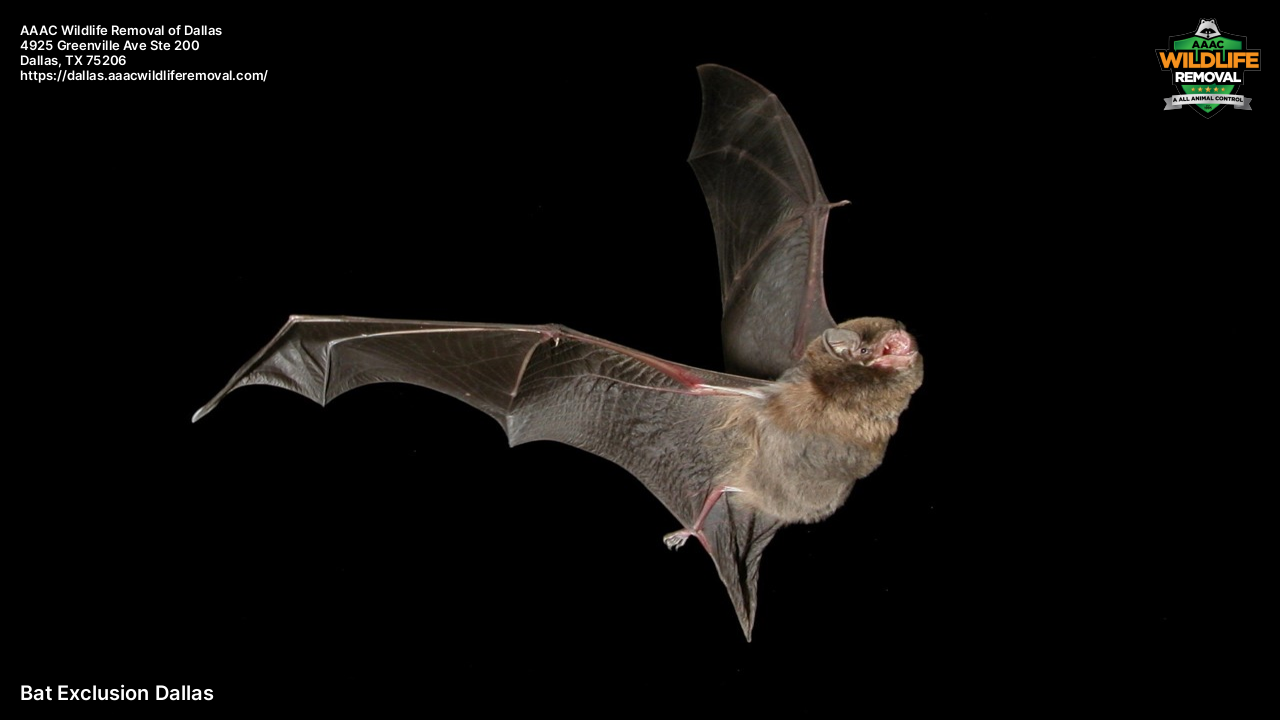
How professionals remove bats without harming them
Modern pest wildlife removal relies on exclusion, not trapping. Bats are protected in many states, and indiscriminate trapping or poisoning is illegal and counterproductive. Here is the rhythm of a well‑run project:
- Detailed inspection. Daytime roofline survey with binoculars and a good light. Inside, look for guano trails, stained sheathing, airflow paths, and any bat sign near soffits or gables. In older homes I check for plank gaps under ridge caps that were never screened. Seal all secondary gaps. Before installing any exit devices, the team closes every non‑primary opening down to roughly a quarter inch with appropriate materials. That can mean heavy mesh, metallic foam backer with sealant, or custom‑cut flashing. Waiting to seal until after bats exit risks reentry through a different path the first time they circle. Install one‑way devices at the main exits. Professional bat cones or netting devices allow bats to drop out and fly away but block return. Fit and fastening are the art here. The device must hug uneven surfaces without leaving edge gaps, and it must not snag wings. Observe egress for several nights. Technicians watch bat flow after sunset. A healthy exit rate and no return attempts at other spots tell you you’ve found the points that matter. We keep a thermal camera handy for complex roofs. Remove devices and permanently close the exits. Once bat activity ceases and we confirm no more exits, devices come off and those openings get the same permanent treatment as secondary gaps.
This approach is slower than a trap and dump, and that’s by design. It lets every healthy bat leave on its own timeline and prevents future recolonization. It also sits well with building science. Good sealing prevents heat loss and blocks insects, too.
Tools and materials that actually work
I’ve arrived at plenty of homes where well‑meaning handymen packed a roof gap with standard aerosol foam or stapled basic screen over a gable without a frame. Within days, bats or raccoons tore through the foam and found the edge of the screen. Use materials with the right bite resistance and permanence:
- Heavy galvanized hardware cloth in the quarter‑inch range for screening vents and gaps, fastened with screws and washers into wood or masonry. High‑quality polyurethane or hybrid elastomeric sealant paired with backer rod for clean joints that flex with seasonal movement. Custom metal flashing or ridge vent guards where original construction left open channels. True bat cones or netting devices from reputable wildlife suppliers, not makeshift funnels that can injure animals.
On fragile substrates like old stucco or brittle fascia, pre‑drill and use more fasteners rather than bigger ones. The goal is a continuous barrier without relying on a single attachment point. And skip mothballs, ammonia, and ultrasonic gadgets. They do not solve bat problems and can create outdoor chemical hazards.
Cleanup, odor, and restoration
Once bats are out and the structure is sealed, you still have the residue to deal with. Attics with modest guano deposits can often be cleaned in place. For heavy accumulations, it’s safer to remove contaminated insulation completely. We stage this like an asbestos or lead abatement, with containment, negative air, and HEPA filtration. Technicians lightly mist surfaces to keep dust down, shovel and bag bulk guano, then HEPA vacuum remaining debris. Wood can be treated with an enzyme cleaner that targets organic odor. Avoid chlorine bleach misting in attics. It adds moisture and corrosion risk, and it does a poor job on porous surfaces.
Once cleanup finishes, evaluate whether to upgrade insulation. Homeowners often use the bat project as an excuse to improve R‑value, air seal recessed lights, and correct bath fan ducting that was venting into the attic. It’s the right time, because the space is already accessible and clean.
How bat work differs from raccoon or squirrel jobs
People lump “pests” together, then call for pest control, but bat removal isn’t the same as raccoon removal or squirrel removal. Raccoons can brute‑force entry and leave visible damage, and they will often rip through a quick patch. Squirrels chew relentlessly and sometimes require trapping to thin local pressure. Bats can slide through a gap smaller than your finger and won’t chew new holes, which makes fine sealing effective. At the same time, the humane and legal framework for bats is stricter. You can trap squirrels in many jurisdictions with fewer restrictions. With bats, many states explicitly prohibit lethal methods and mandate seasonal limits. When you hire a wildlife pest control service, ask if they do all three types of work. A versatile wildlife trapper understands the behavior differences and will adjust methods accordingly.
Regional notes: codes and climate considerations
In hot markets like North Texas, bat activity peaks after warm, bug‑heavy evenings. Homes with tile roofs and decorative stone often hide gaps under ridge caps and where roof planes step. Wildlife control Dallas teams spend a lot of time on ladders, sealing along complex hips and valleys. In coastal climates, corrosion on fasteners matters. Use stainless steel where salt air is an issue. In cold northern states, attic bat colonies may tuck deep into insulation during winter torpor. That shifts the active exclusion window to spring or fall. Local experience matters, because the right time in Georgia is the wrong time in Minnesota.
Some municipalities require permits for exterior work above certain heights or near shared fire walls. Homeowners’ associations sometimes specify aesthetic requirements for visible vent guards. A reputable wildlife removal service will handle those details before work begins.
Costs, warranties, and what to ask before hiring
Prices vary by roof complexity, building height, and colony size. A straightforward one‑story home with a few gable vents and a single known exit might land in the lower four figures. Complex, multi‑level homes with tile roofs and long ridge caps can run higher. Cleanup and insulation replacement add to the bill. When comparing proposals, look beyond price:
- Ask for a written scope that lists sealing methods and materials, not just “seal where needed.” Confirm they will seal secondary gaps before installing one‑way devices. Ask about maternity season timing and how they confirm the schedule for your area. Request a copy of their warranty terms. Many reputable firms offer one to three years against bat reentry for the sealed structure, with exclusions for storm or construction damage. Check for proof of insurance and any state wildlife control licensing.
Companies that solve bat issues with one visit and a can of foam rarely solve them at all.
What not to do: avoid the common errors
I’ve seen a garage full of boxed holiday décor contaminated by a single night of panic. The homeowner opened every door and window, turned on fans, and chased a bat with a tennis racket. They broke a lamp and ended up calling anyway. A calmer route would have saved the mess. Practical don’ts:
- Don’t trap bats inside by sealing holes at night before an exit path is in place. Don’t use poison. It’s illegal for bats, and it creates dead animals in walls and lingering odor. Don’t assume one gap equals one fix. Bats use multiple routes. If you don’t find and close the secondary entries, they will. Don’t handle guano without protection. It’s not worth the respiratory risk to rush a cleanup.
If you have pets, especially cats that hunt in attics or garages, keep them out of the area during bat removal. Cats can get bitten during capture attempts, and a single suspected exposure means a vet visit and possible quarantine.
Aftercare: keeping bats out for good
Exclusion is half the battle. The other half is keeping the structure tight as seasons change. Monitor roof penetrations after storms, and check that soffit vents retain their screens. Keep attic humidity down with proper ventilation so wood doesn’t warp and open gaps. When contractors run new cables or vents, make sure they don’t leave holes. A quick inspection at dusk once or twice a year, watching for bat exit trails, can catch a new issue before it becomes a colony.
Outdoor lighting around entry points can reduce bat staging near doors, though bats still hunt insects drawn to lights. If you want to keep feeding routines for night‑flying pollinators, set lights on motion rather than dusk‑to‑dawn schedules. Managing insect pressure around the house with general pest control sometimes reduces incidental indoor bat events, because fewer bugs at the porch light means fewer bats right at the threshold. That said, insect control won’t solve an established roost.
Emergency steps you can take tonight
If a bat is in your home right now and you’re waiting for help, a few calm moves protect everyone:

- Confine it to one room if possible, turn off fans, open a window, and step away. If there was any chance of contact while people were sleeping, contain the bat in the room, place a towel at the bottom of the door, and call your local health department or a wildlife removal service for next steps.
Containment can be as simple as closing the door and leaving the bat alone until a pro arrives. If safe capture is required for rabies testing, professionals use clear containers, cardboard, and gloves rated for animal handling. DIY capture risks bites.
A note on ethics and ecology
It’s possible to respect bats while being firm about keeping them out of homes. Every good exclusion protects a colony’s ability to move on and roost naturally elsewhere. I’ve seen colonies relocate to nearby trees, barns with suitable venting, or natural crevices once a house is sealed. Some clients install bat houses in the yard. Results vary, but strategically placed houses can attract displaced bats in certain regions. If you try it, set the house with proper solar exposure and height, then accept that success may take a season or two.
Ethical nuisance wildlife management also means telling clients not to rush. If it’s maternity season and pups are present, short‑term mitigation like isolating attic access, setting up temporary containment, and scheduling full exclusion for the appropriate window is the right course. A modest delay beats the alternative of orphaned pups and a smelly attic.
The bottom line
Emergency bat removal is less about heroics and more about steady process. Keep your distance, control the space, verify whether you’re dealing with a single stray or a roost, then either follow a humane exclusion sequence or hire a qualified wildlife trapper to do it right. Fold cleanup and restoration into the plan so you aren’t living with odor or contaminated insulation. If you’re comparing services, look for clear scopes, proper materials, and respect for seasonal timing. When done properly, bat removal solves a real health and property concern while letting the animals continue the good work they do outside, far from your bedroom ceiling.