When people think about wildlife problems at a home or business, they picture the frantic part - a raccoon in the attic, squirrels scratching behind the drywall, or bats circling a porch light. What rarely makes the conversation is the quiet damage that unfolds over months. Chewed wiring, damp insulation, stained ceilings, and warped decking do not show up on a single day’s calendar. They accumulate. That is why wildlife exclusion, the craft of keeping animals from entering in the first place, pays for itself. The best wildlife removal outcome is not a hero trap or a dramatic extraction. It is an uneventful season where nothing gets in, nothing nests, and nothing chews.
I have walked through enough crawlspaces and attics to recognize patterns at a glance. The repair bills follow the same logic as water damage. The first drip costs nothing if you catch it early. A year later, you are cutting out structural lumber. With wildlife control, exclusion is your shutoff valve.
The slow leaks animals cause
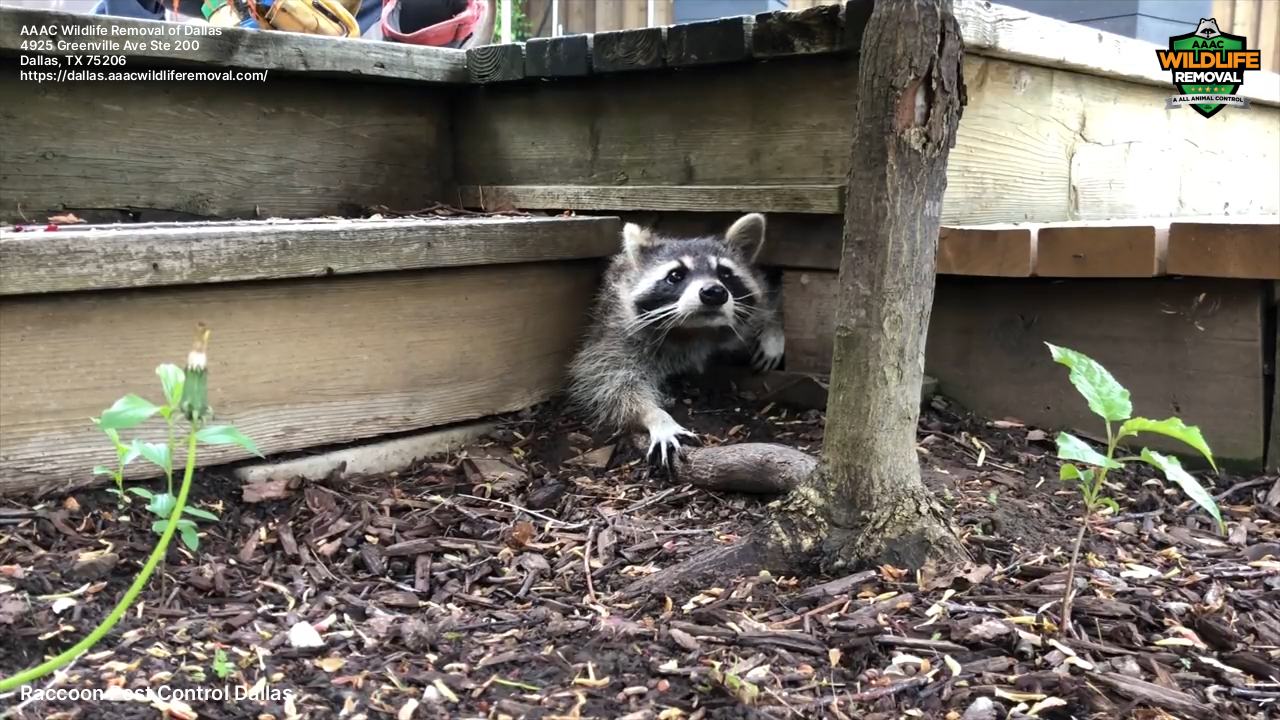
Most clients assume the big-ticket damage comes from a single incident. The truth is different. It is the daily habits of animals that rack up expenses, not a one-time mishap. Squirrels gnaw constantly because their teeth never stop growing. A pair that takes up residence will sample anything fibrous or textured - fascia boards, roof sheathing, ridge vents, even PEX lines if they can reach them. Raccoons are heavy and curious. They lift shingles like tiles, pry soffit panels, and widen convenience gaps into open doors. Bats leave guano that dries into powder and gets airborne when disturbed. Waterfowl nesting near an HVAC intake can introduce feathers and dander that choke filters and coat coils.
In one attic I inspected, a family of gray squirrels had woven an impressive nest near the junction of two rafters. The owner noticed scratched paint on the siding but ignored it. Twelve months later the squirrels had chewed the insulation off two Romex cables and exposed copper in three spots. Those bare sections arced just enough to heat the surrounding insulation. A faint scorch smell led us to it. The electrician’s bill and reinsulation cost more than five years of professional wildlife exclusion service would have.
Why exclusion outperforms reactive removal
If you call a wildlife trapper only when you hear noise, you still have holes. You may remove the current occupants, but the vacancy sign shines for the next round. Animals map neighborhoods by smell and structure. They know which homes vent warmth and which soffits flex. Eventually you will call again, then again. A cycle of reactive calls looks cheaper on day one and more expensive on any twelve-month statement.
Exclusion solves the entry pressure. It is a physical conversation with the building envelope: identify how creatures enter, strengthen those points, and adjust the environment so the house no longer rewards exploration. Done correctly, exclusion reduces or eliminates the need for a wildlife exterminator to apply lethal methods, which many owners prefer to avoid. It also respects the biology. An exclusion plan scheduled outside maternity windows keeps mothers and young together and prevents frantic tearing by trapped animals, a common source of collateral damage.
Where damage shows up and what it costs when ignored
An attic is not the only stage where wildlife costs you money. Uninvited animals degrade performance in places you seldom look, which is why bills appear far from the entry point.
Roof systems take a beating because animals love edges. Ridge vents and drip edges combine airflow with soft materials, exactly what raccoons and squirrels exploit. A lifted ridge vent looks minor from the lawn. Inside, it can drive wind-blown rain under sheathing. Repairs often start at a few shingles and end with new decking panels, reframed rafters, and mold remediation if moisture lingers.
Insulation loses its value quickly under animal traffic. Compacted fiberglass fails to trap air, so your HVAC runs longer. Urine contamination turns insulation into a sponge that spreads odor and moisture across joists. In hot attics that means persistent ammonia and corrosive vapor near metal fasteners. The fix is not a quick deodorizer. You remove and replace, which is a two-person job over a full day for a medium attic, plus disposal fees by weight.
Electrical and data systems mix poorly with teeth and claws. Rodents prefer softer sheathing. The hazard is not just arcing. Chewed low-voltage lines disable smoke detectors and security systems. I have seen doorbell transformers sit hot in mouse-nest insulation. The potential for fire and nuisance alarms escalates with every bite.
HVAC and ducting attract animals for warmth and padding. Flexible ducts are a weak link. A raccoon can rip a return line in minutes. Even small openings pull in attic air, which is dusty, fibrous, and sometimes contaminated with droppings. The coil fouls, efficiency drops, and the entire system strains. Clients usually notice a room that will not heat properly long before they see the duct tear. By then, the coil looks like it has been living in a sawmill.
Crawlspaces and foundations present another pocket. Skunks, opossums, and feral cats follow the scent of shelter. They burrow under footings or enter through loose vents. Moisture levels spike when vapor barriers get shredded. Wood sills absorb that moisture over a season, and the first sign you see is a subtly sticking door or a vague musty smell you cannot place. Repairs range from vent replacement and barrier re-lay to sill sistering and dehumidification. The difference can be a few hundred dollars versus several thousand.
The economics of prevention
Homeowners often ask for a ballpark. Most urban and suburban exclusion projects for a single-family home run in the low four figures, sometimes less for small footprints and simple roofs. That typically includes sealing primary entry points, screening vents with animal-proof mesh, reinforcing ridge vents, capping chimneys, https://mylesxwgj298.trexgame.net/wildlife-trapping-regulations-a-homeowner-s-legal-guide and minor carpentry or masonry touch-ups. Compare that to common repair stacks: roof deck patching and shingle work can consume the same budget by themselves, and full attic remediation after a bat colony or raccoon family easily multiplies it.
Commercial properties scale differently but follow the same ratios. A food service location with a rodent breach can lose inventory and face health code issues. The combined cost of product loss, downtime, and pest abatement dwarfs the price of heavy-gauge door sweeps, dock-seal reinforcement, and drainage corrections that knock down the attractants.
One factor rarely accounted for is insurance. Many policies exclude gradual damage or contamination from animals. They might cover a single event, like a raccoon tearing a roof during a storm, while refusing claims for urine-soaked insulation or chewed wires. Owners assume coverage will step in and then learn that their out-of-pocket responsibility is higher than the price of a thorough exclusion plan.
What a proper wildlife exclusion process looks like
Exclusion is not a roll of foam and a can of spray. It is disciplined building science applied to behavior. A good wildlife control professional starts with inspection, not gadgets. That means ladders against eaves, a peek from the roof ridge, and a flashlight through every attic bay. On commercial properties, it means walking the perimeter at night, because some entry points only reveal themselves in light angle and shadow.
Assessment recognizes species. Squirrel chew marks look clean, with paired grooves and a bias for cedar and pine. Raccoon entries have fingerprints evident in dirt smudges and pulled edges. Bats follow airflow, so you look for black staining and guano specks below gaps. Mice leave small droppings and greasy rub marks near tight holes. Bird nests show sticks woven in predictable patterns with droppings that streak vertical surfaces.
Once you know who you are dealing with, the plan decides sequence. Certain methods control movement so you are not locking animals inside. One-way devices can be mounted temporarily over exits for species like squirrels and raccoons, allowing them to leave but not return. For bats, timing around maternity season is crucial, as most regions prohibit exclusion when pups cannot fly. That schedule is not a bureaucratic headache. It is how you keep animals from dying inside walls and avoid desperate chewing that escalates repairs.
Materials matter. I have taken apart many failed DIY attempts that looked tidy on day one. Foam without a hard face invites chewing. Plastic vent screens split under UV and ice. Thin wire mesh at too wide a gauge gives raccoons a purchase point to pry. Proper practice uses stainless or galvanized hardware cloth in the right weight, rolled edges, mechanical fasteners into framing, and sealants rated for exterior movement. On masonry, backer rods set depth for elastomeric sealants so the joint flexes without tearing. On roofs, ridge vent guards that allow ventilation while blocking entry get fastened through framing, not just into the vent body. Chimney caps need to match flue dimensions and attach with masonry screws or anchors, not friction alone.
The finish is as important as the build. Animals investigate edges. If a new screen presents a tempting corner, expect an attempt. We crimp and hem mesh edges, fasten on both sides of a seam, and include small drip edges over expanded openings. Every detail denies leverage.
Common oversights that drive future repairs
Plenty of people handle emergency wildlife removal well but skip the unglamorous follow-up that preserves the win. I have seen three oversights repeat across hundreds of properties.
First, soffit returns and roof-to-wall junctions often get ignored because they require a ladder placement or a special bracket. That little triangle where a second-story wall meets a first-story roof is a magnet for raccoons and squirrels. If you do not reinforce it, they will be back.
Second, foundation and utility penetrations are messy in older buildings. Over time, cable swaps and meter replacements leave annular gaps the size of a thumb or more. Mice need a hole the width of a pencil. Those penetrations deserve inserts or mortar, then a painted metal escutcheon or a sealed boot, not duct tape and hope.
Third, vents require species-specific treatment. A generic dryer vent hood will trap lint and attract birds. Bats can work their way under standard louvers. Exhaust and intake vents should get rigid guards that can be removed for maintenance without leaving the opening vulnerable. The number of damaged heat exchangers I have seen because birds nested in a fresh-air intake would surprise most people.
Hygiene and remediation tie directly to exclusion success
Closing holes solves the future. Dealing with what has already happened solves the present. After a raccoon or squirrel eviction, I recommend targeted remediation that fits the contamination level. Spot clean-ups with enzyme-based digesters handle light urine and droppings on nonporous surfaces. Heavier contamination in insulation calls for removal, shop vacuuming with HEPA filtration, and negative air while working so dust does not travel into living spaces. If guano is involved, personal protective equipment stops being optional. Histoplasmosis spores can ride dust, and a careless cleanup can turn a nuisance into a medical problem. Professionals bring the right respirators, suits, and waste handling protocol.
It is not just sanitation. Deodorization matters because scent cues bring animals back. A raccoon that smells last year’s den will test the perimeter. The goal is not perfume, it is neutralization. Activated carbon, specialized enzymatic cleaners, and time are your friends. Sealants on stained wood help by locking in residual odor.
Choosing the right help
The words wildlife removal, wildlife control, and wildlife exterminator get used interchangeably by clients, but the approaches differ. Removal focuses on getting current animals out. Control includes management strategies to keep populations and access in check. Extermination implies lethal methods, which may be appropriate with certain rodent infestations but should not be a default, especially with protected species.
When interviewing a provider, ask about exclusion philosophy and materials. A credible wildlife trapper or company will describe their inspection method, show you photos of entry points, and explain the sequence of sealing. They should talk about maternal seasons for target species and explain how they prevent trapping babies inside. If the plan sounds like traps only, with sealing later or not at all, you are buying repeat calls. If it leans heavily on foam and plastic, expect chew-throughs.
Regional knowledge matters. Bats behave differently by climate and altitude. Roof styles determine which guards work. A technician who knows your local raccoon population density, bird migratory patterns, and code requirements for roof vent airflow will design around reality rather than theory.
Habitat and behavior adjustments on the property
Exclusion starts at the building skin, but the property feeds the story. A mature oak that overhangs a roof acts like a highway for squirrels. Dense shrubs against a foundation hide entry attempts and give predators cover. Garbage storage without tight lids calls raccoons to dinner. Bird feeders shower seeds that invite rodents.
A few adjustments change the balance. Trimming tree limbs back 6 to 10 feet from the roof edge removes easy launch points. Moving wood piles off the ground and away from structures reduces nesting sites. Lockable, gasketed trash cans curb raccoon raids. Swapping bird seed for tidy, no-mess blends and using trays keeps fallen feed from turning into a rodent buffet. Water features, if poorly maintained, can attract snakes and amphibians that in turn draw predators. None of these steps requires you to sterilize your yard. They simply reduce the reward for exploration.
Timing and seasonality
Exclusion work competes with animal life cycles and weather. In colder months, warm air leaking from attics draws attention. In spring, birds search for cavities and bats return to summer roosts. Summer heat pushes animals to shaded soffits and under decks. Fall brings young squirrels into their first nest-building season, when they are bold and not yet seasoned about structural danger.

Scheduling around these rhythms lowers risk. Bat work usually concentrates on late summer through early fall, after pups fly. Squirrel one-way devices work well in late winter and late summer between litters. Raccoons can den year-round but are especially driven in late winter before birthing. A good provider explains timing and may stage the work in phases to avoid orphaning young or causing destructive panic.
Weather drives material choices too. Sealants cure differently in humidity and cold. Roof work demands dry days, not just for safety but for adhesion. If your home needs ridge vent guards, schedule before storm season. Small delays during dry months can become big leaks under a wind-driven rain.
When DIY makes sense and where it does not
Not every exclusion task demands a crew. If you have a single-story ranch and are comfortable on a ladder, you can replace flimsy dryer hood covers with rigid, pest-resistant versions, install stainless vent screens on gable vents, and seal thumb-sized gaps around utility penetrations with proper materials. You can trim branches, secure a crawlspace hatch, and upgrade door sweeps to commercial-grade versions that close light gaps.
The moment ladders reach second-story eaves, chimneys enter the chat, or bats are present, most owners are better served by professionals. Falls cost more than any invoice. Bat exclusion has legal and health considerations you do not want to learn mid-project. And raccoons do not bluff. A cornered mother will charge. If you hear chittering and smell musk in an attic, that is not a weekend hobby.
A short homeowner checklist that actually prevents bills
- Walk your property every quarter and look for lifted shingles, loose soffits, and staining below vents. Trim branches that overhang the roof and keep vegetation off the siding. Replace plastic vent covers with rigid, animal-resistant guards that allow maintenance access. Seal utility penetrations with appropriate backer rod and exterior-grade sealant or mortar, not foam alone. Store trash in sealed containers and keep pet food indoors.
This small routine catches problems early and lowers the odds that you need emergency wildlife removal at all.
Case notes from the field
A two-story colonial with original cedar fascia hosted flying squirrels for at least two seasons. No one noticed because the animals are nocturnal and light-footed. The first clue was insulation flakes from a recessed light housing on a dining table. Thermal imaging showed heat loss in the roof-to-wall junctions. Entry points were finger-width gaps along rake boards where a past paint job masked separation. The owner had quotes for repainting and a plan to add attic insulation. The exclusion plan addressed the real problem: stainless edge guards along the rake, sealed soffit returns, gable vent screens, and a temporary one-way device at the busiest exit. We also increased attic ventilation properly so the house stopped exhaling warm air through micro-gaps. The following winter their energy bill dropped by about 8 percent. The repaint happened after, once we were sure the wood was dry and protected.
At a small bakery, we found mice traveling along the conduit between the back alley and a proofing rack area. The owner cleaned daily and set traps but could not keep up. The real failure was a thumb-sized gap around the conduit at the exterior wall, hidden behind a decorative planter. We replaced the planter with a stand-off, set a metal escutcheon with sealant around the conduit, upgraded door sweeps, and adjusted the dumpster lids. Traps caught a few laggards the first week. Activity dropped to zero after that. The cost of flour loss and closed prep time had been multiples higher than the exclusion work.
A mid-century home with a hip roof and a fractured chimney crown invited starlings every spring. The owner tried foam, mesh, and even a plastic owl. The birds won every time. We installed a fitted chimney cap, repaired the crown, and screened a bathroom exhaust that had a broken damper. The part most people miss is airflow. Once the bathroom fan worked right and the chimney stopped drawing, the scent plume that attracted birds vanished. No returns in three seasons.
The long view
Buildings move, seasons shift, and animals adapt. Exclusion is not a one-and-done trophy. It is a maintenance mindset that treats the skin of a structure like a living system. The best wildlife control programs combine smart building upgrades with modest habit changes on the property and timely maintenance. Over five to ten years, this approach keeps small problems small.
If you already have animals inside, start with humane removal that accounts for young and safety, then move immediately to comprehensive sealing. If you do not, consider a proactive inspection. Many companies offer seasonal checkups that cost less than a service call. Whether you hire a wildlife trapper for the full package or tackle the easier items yourself, the aim is the same: stop entry pressure, remove attractants, and protect the envelope.
Repairs will always cost more than prevention because animals do not damage a single component. They nick the roof, smudge the siding, foul the insulation, and test the wiring, then they hand the baton to moisture and time. Wildlife exclusion interrupts the relay. That is the quiet victory, the missing bill, and the undisturbed sleep that makes it worth doing.